
Hull Named a Top Global Destination for 2026: Why the World Is Watching
Hull has received a major vote of confidence from one of the world’s most respected travel authorities. National Geographic named Hull one of its top 25 global destinations for 2026, placing the East Yorkshire city alongside destinations across the world in its annual Best of the World 2026 list.
In its destination feature, published on 21 October 2025, National Geographic praised Hull’s “defiant spirit”, laid-back charm and more than 800 years of maritime history. The recognition reflects a city that has retained its character while investing thoughtfully in its waterfront, museums, public spaces, food scene and cultural attractions.
For travellers looking for a UK city break with a difference, 2026 is an excellent time to discover Hull.
Why National Geographic chose Hull
Hull’s identity has always been shaped by its relationship with the sea. Situated where the River Hull meets the Humber Estuary, the city developed as a significant port, fishing centre and trading hub. Its history includes whaling, shipping, fishing and maritime commerce, with the water continuing to influence the city’s culture today.
National Geographic’s Hull destination feature focuses on how this history is being brought back into the centre of the visitor experience.
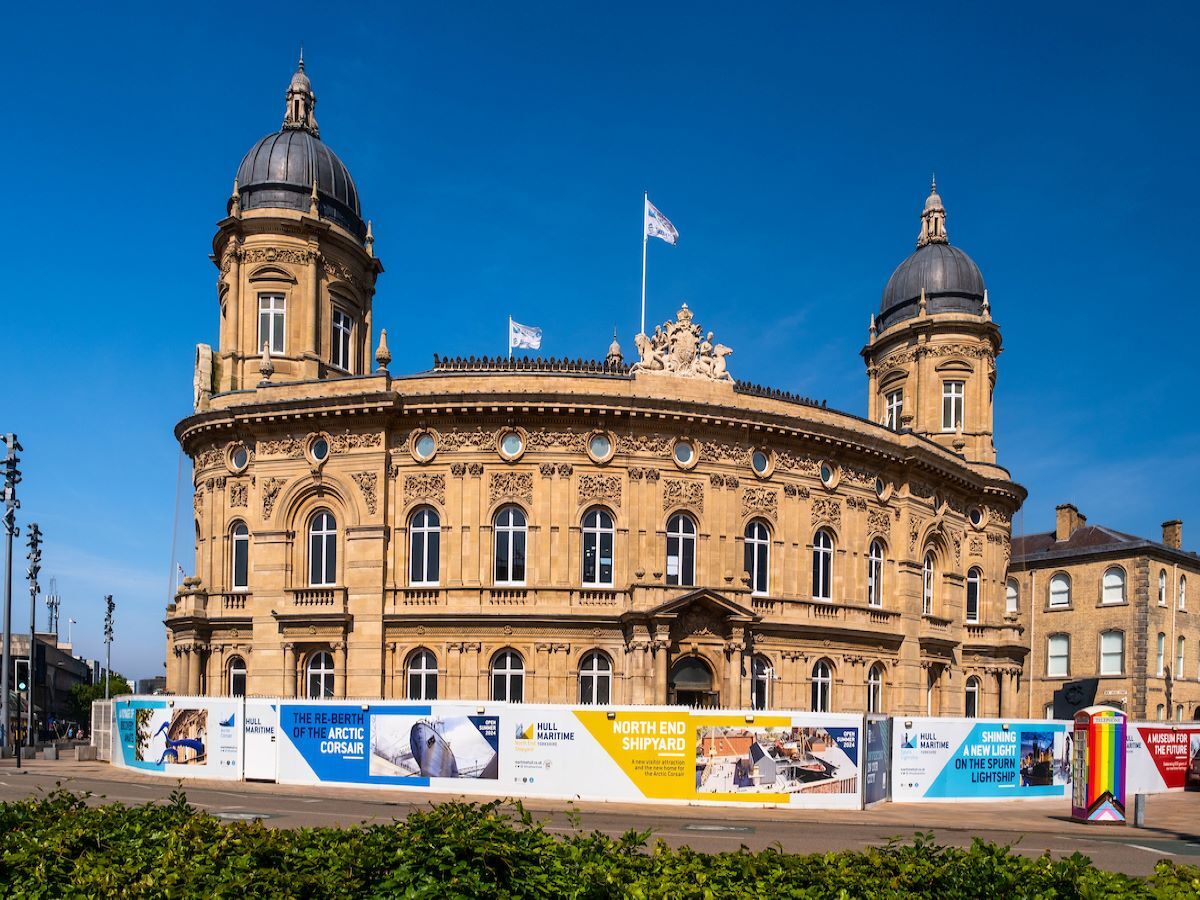
At the heart of that work is a multi-million-pound maritime heritage project. National Geographic refers to an investment of approximately $53 million, or around £40 million, designed to transform the way Hull’s maritime story is presented.
The project includes:
- The refurbishment and reopening of Hull Maritime Museum
- The restoration and relocation of the Arctic Corsair fishing trawler
- The refurbishment of the Spurn Lightship
- A new Maritime Heritage Trail
- Improvements to historic waterfront areas and public spaces
- New interpretation, exhibitions and visitor facilities
This is not a destination being reinvented from scratch. Instead, Hull is making more of the assets it has always possessed, giving visitors a clearer way to understand the city’s past and its continuing role as a modern maritime centre.
Hull Maritime Museum and the city’s seafaring story
The reopening of Hull Maritime Museum is one of the most anticipated developments of 2026. The Grade II* listed building originally opened in 1871 as Hull’s Dock Offices before becoming a museum in 1975.
Following extensive conservation and redevelopment, the museum reopened to visitors on 8 August 2026. Its renewed galleries explore more than 800 years of maritime history through improved displays, previously unseen material and more interactive interpretation.
Visitors can expect a broader look at Hull’s relationship with the sea, from fishing and whaling to trade, migration, navigation and the city’s modern maritime industries. The improvements also include better access, visitor facilities, a café and the opportunity to enjoy panoramic views from one of the building’s domes.
Nearby, the Arctic Corsair offers a more immersive perspective on Hull’s fishing heritage. Built in Beverley in 1960, the former sidewinder trawler represents the final era of a once-important local industry. The vessel achieved a world-record catch in 1973 and was involved in the Cod Wars before becoming a floating museum.
The Arctic Corsair has now been moved to the North End Shipyard for its next chapter. The new visitor attraction, including the trawler and a dedicated visitor centre, is expected to open in spring 2027. This means that visitors to Hull in 2026 can see the wider maritime project taking shape, while future stays will bring even more opportunities to explore the completed attraction.
The Spurn Lightship, meanwhile, has already returned to Hull Marina following restoration. Built in Goole in 1927, the vessel once helped guide ships through the Humber Estuary, regarded as one of the world’s most challenging waterways. It reopened to visitors on 7 March 2026 and provides an atmospheric way to experience the working conditions of the crews who lived aboard.
Follow Hull’s Maritime Heritage Trail
One of the simplest ways to experience Hull is on foot. The Maritime Heritage Trail connects key areas of the city, including Princes Dock Street, Humber Street and the historic High Street.
Along the route, you can discover Georgian architecture, former dock warehouses, public art, green spaces, museums and independent businesses. The trail also leads towards Hull’s Museums Quarter, where the city’s maritime history connects with wider stories of industry, politics, migration and social change.
The historic Old Town is particularly rewarding to explore at a relaxed pace. Look out for the area’s cobbled streets, Georgian buildings, arcades and Hull Minster, which has stood at the heart of the city for centuries.
History enthusiasts should also visit Wilberforce House, the birthplace of William Wilberforce. The museum examines his life and the campaign to abolish the transatlantic slave trade.
The nearby Streetlife Museum offers a different perspective, with galleries covering more than 200 years of transport history. Together, these attractions make Hull an engaging destination for curious travellers, families and anyone who enjoys discovering the stories behind a place.
More things to do in Hull
Hull’s appeal extends beyond its maritime heritage. The city offers a varied programme of attractions and experiences for different types of visitor.
Visit The Deep
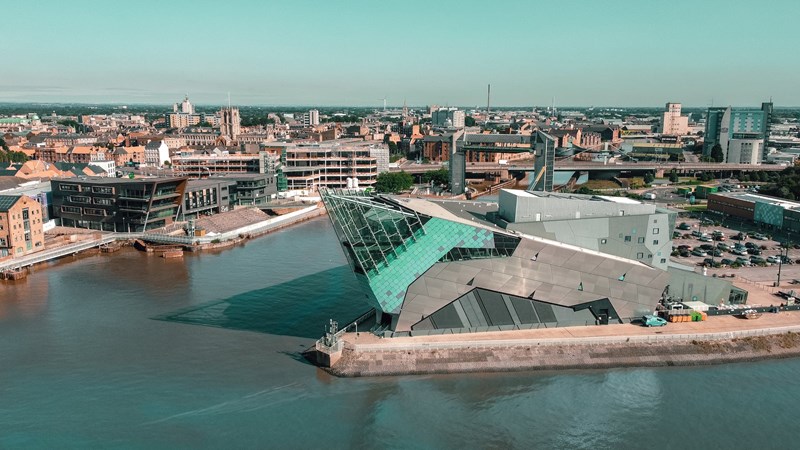
Set beside the Humber, The Deep is one of the UK’s best-known aquariums. It is home to thousands of marine animals, including sharks, rays, turtles and penguins.
The building’s dramatic design and underwater viewing areas make it a memorable stop whatever the weather. It is also a conservation-led attraction, offering a useful insight into marine ecosystems and the importance of protecting them.
Enjoy an event at Stage@TheDock
For live entertainment beside the water, check the programme at Stage@TheDock. The open-air venue hosts theatre, music, comedy and performances throughout the warmer months.
Its waterside position makes it a natural addition to an evening exploring the marina, restaurants and surrounding cultural quarter.
Explore Humber Bridge Country Park
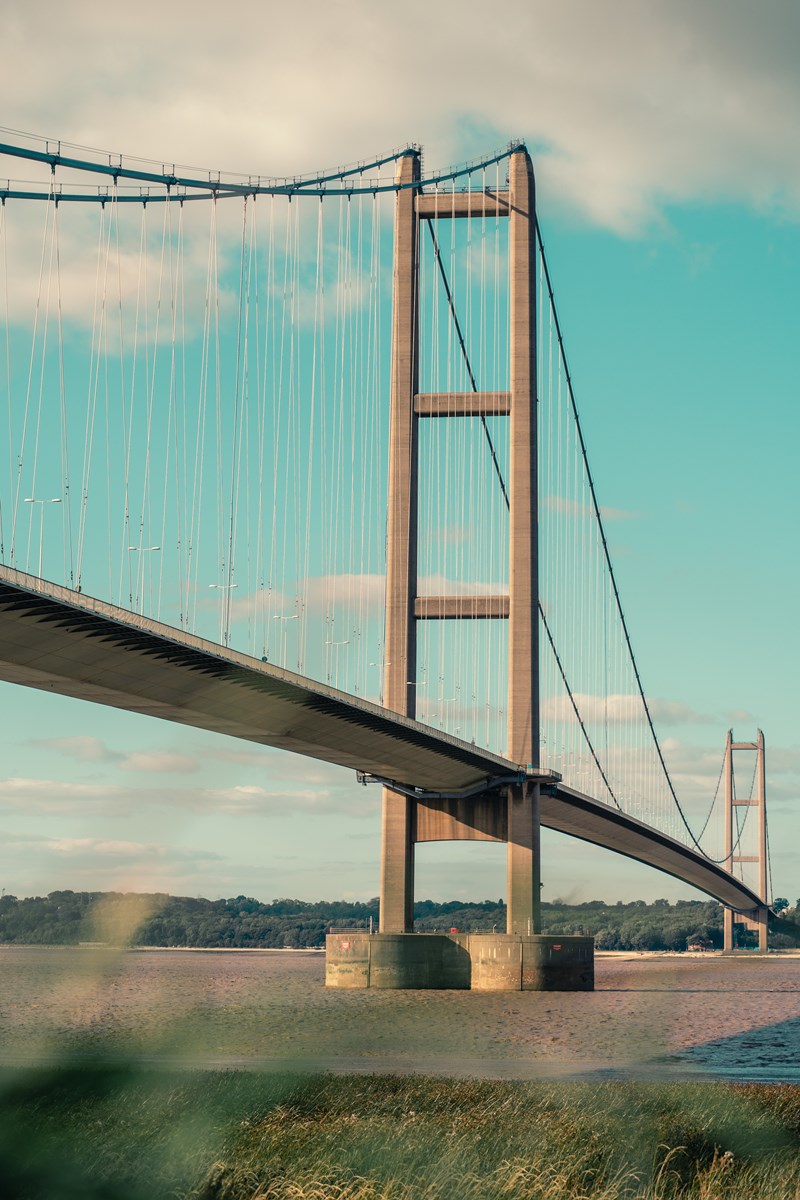
A short journey from the city centre, Humber Bridge Country Park provides walking trails, woodland, ponds and views towards the famous Humber Bridge.
The bridge spans approximately 2.2 kilometres and was the world’s longest single-span suspension bridge when it opened in 1981. The country park is a good option for visitors who want to balance museums and city streets with fresh air and open landscapes.
Hull’s independent food scene
National Geographic also highlights Hull’s growing food and drink scene, particularly around the regenerated Fruit Market on Humber Street.
Former warehouses now accommodate independent restaurants, cafés, bars, galleries and creative businesses. The area is well suited to an unhurried lunch, evening meal or weekend wander, with plenty of opportunities to support local operators.
For casual dining, Trinity Market offers street food and independent vendors in the heart of the Old Town. It is an easy place to sample different dishes before continuing towards Hull Minster and the surrounding historic streets.
For a relaxed breakfast, coffee or brunch, Thieving Harry’s is a popular choice. Located in a former fruit warehouse near the marina, it combines an informal atmosphere with views across the water.
If you are looking for something more refined, Tapasaya offers contemporary Indian cuisine close to the marina. It also has a presence within Trinity Market, making it a useful option for both a sit-down meal and something quick while exploring.
When should you visit Hull?
Summer is an especially attractive time to visit. Temperatures in July and August can reach around 22°C, creating good conditions for walking between attractions, sitting outside at restaurants and enjoying the waterfront.
Hull’s annual events calendar adds another reason to plan ahead:
- Hull Folk & Maritime Festival takes place in July, celebrating traditional music, dance and the city’s relationship with the sea.
- Humber Street Sesh takes place in August, bringing emerging musicians and performers to the Fruit Market.
- Stage@TheDock hosts open-air performances throughout the warmer months.
Hull is also worth visiting outside summer. Many of the city’s most important attractions are indoors, while the Old Town, museums and independent cafés provide plenty to explore during cooler months.
How to get to Hull
Hull is straightforward to reach from across the UK.
From London King’s Cross, trains to Hull take approximately three hours, usually with one change. Hull Paragon Interchange is centrally located, making it possible to begin exploring soon after arrival.
The city is also accessible by road via the A63 and M62, with connections to Leeds, York, Sheffield and other Yorkshire destinations.
For international visitors, Leeds Bradford Airport is the nearest major airport, while Manchester Airport offers a wider range of long-haul connections. Both airports provide access to Hull by road, although hiring a car may be the most convenient option if you plan to explore the wider Yorkshire region.
Where to stay in Hull with Guestz
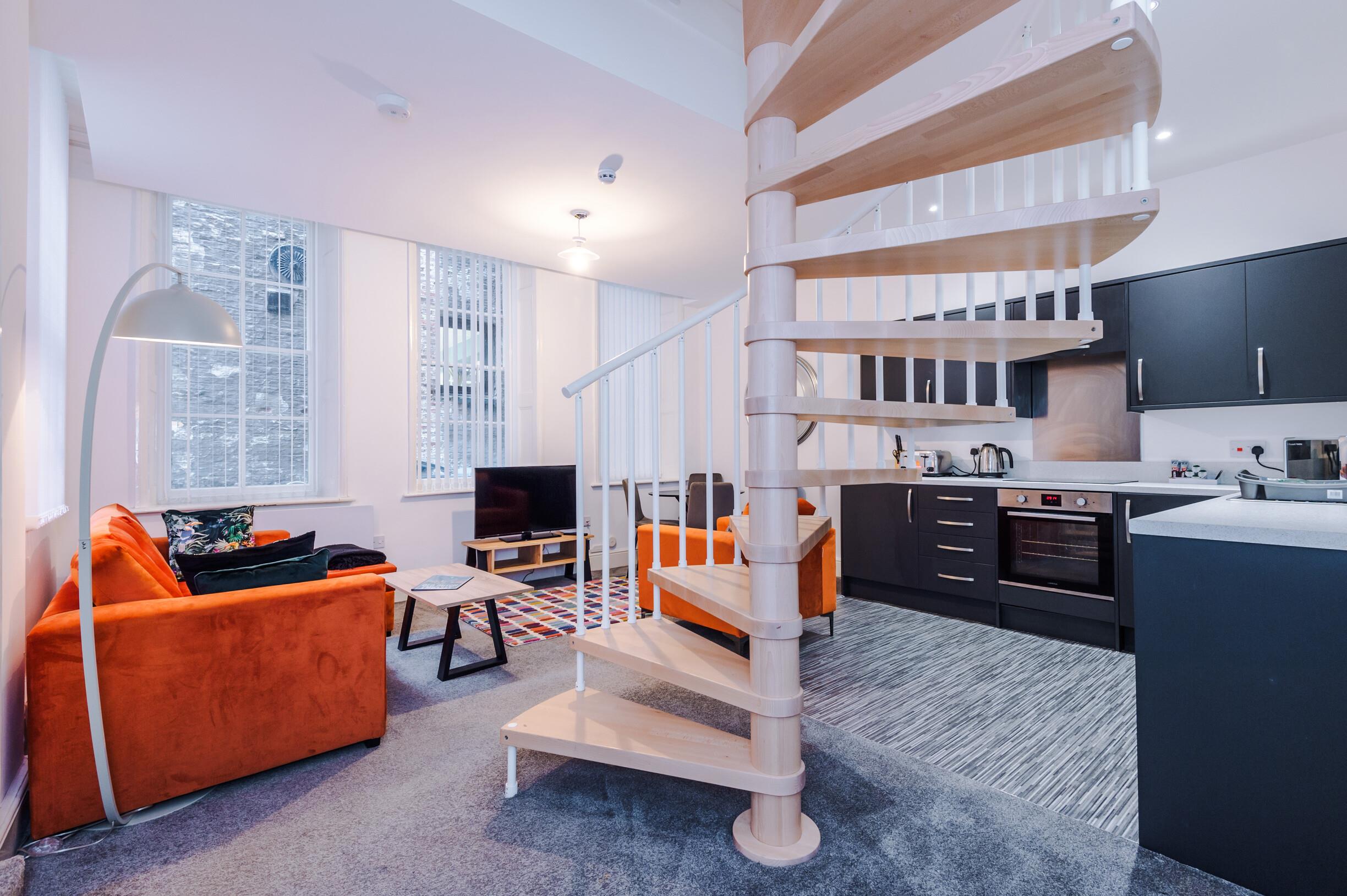
A well-located base can make a city break considerably easier, particularly if you plan to stay for more than one night. Guestz provides serviced accommodation in Hull, offering a comfortable alternative to a traditional hotel room.
Our apartments are designed for weekend breaks, family visits, business trips and longer stays. Guests can enjoy more space to relax, kitchen facilities for flexible dining, and the practical comforts of a home-from-home.
Whether you are visiting for the reopening of Hull Maritime Museum, planning a festival weekend or using the city as a base for exploring Yorkshire, Guestz short term rentals offer a convenient and welcoming place to stay.
Explore the Guestz Hull location guide for more ideas, or browse available Guestz properties to start planning your visit.
A city ready to welcome more visitors
National Geographic’s recognition confirms what many returning visitors already know: Hull is a city with substance, character and a clear sense of direction.
Its maritime heritage provides the foundation, while regeneration, independent businesses, cultural events and thoughtful visitor experiences continue to broaden its appeal. With the major museum project now reaching important milestones, 2026 is a particularly timely year to visit.
From the Humber Estuary and historic Old Town to The Deep, the Fruit Market and Hull’s expanding food scene, there is plenty to discover. Stay with Guestz and experience this increasingly well-known Yorkshire destination at your own pace.