
Discover Wallasey & the Wirral Peninsula: Where England's Story Begins
Nestled between the vibrant city of Liverpool and the rolling landscapes of North Wales, the Wirral Peninsula is a place where coastlines, countryside, and centuries of history collide. With Wallasey sitting proudly at its northern tip, this compact stretch of land punches far above its weight when it comes to fascinating stories, hidden heritage, and seaside charm.
Although modern maps highlight the industrial growth of the 19th century - places like Birkenhead and Ellesmere Port - the Wirral's story runs much deeper. In fact, before this era, many of today's towns didn't even exist on maps. What has endured are the peninsula's most desirable coastal communities: Wallasey, New Brighton, Hoylake, West Kirby, Meols, Caldy, Thursaston and Heswall. These areas remain some of the safest and most sought-after places to live, offering a blend of history, green space and sea air that continues to attract visitors and residents alike.
An Island in All but Name
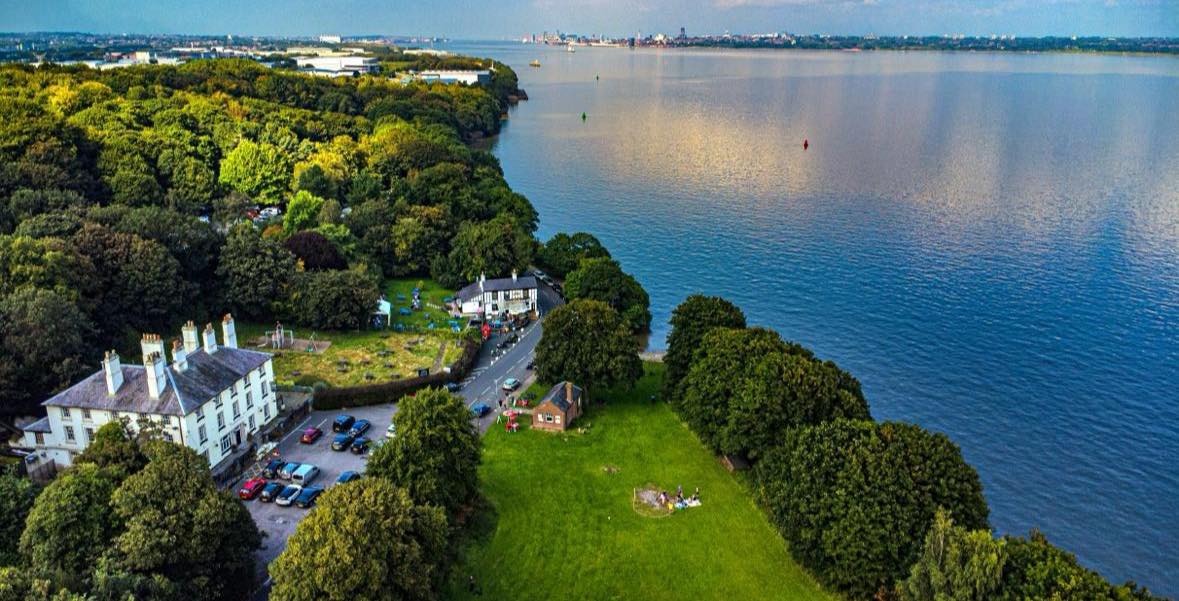
Covering just over 60 square miles, the Wirral Peninsula is officially surrounded by water, making it an island in everything but name. The River Mersey borders the east, the River Dee, the west, and the Irish Sea stretches northward, while the man-made Shropshire Union Canal forms its southern boundary at Ellesmere Port.
Despite its modest size, the Wirral boasts a remarkable concentration of heritage. Across the peninsula you'll find around 1,900 listed buildings, more than 200 churches, a medieval priory, a castle, a fort, 10 lighthouses, windmills, watermills, conservation areas, nature reserves and scheduled ancient monuments. Few places in the UK can rival such diversity in such a compact space.
Ancient Roots and the Birth of England
Long before seaside promenades and Victorian villas, the Wirral was home to the Celtic Cornovii tribe, whose lands stretched across what is now Cheshire, Shropshire and parts of Wales. Mentioned by Roman philosopher Ptolemy in the 2nd Century AD, the Cornovii were known as the "people of the horn", a reference to their religious worship. Their influence extended as far as Chester, which later became a key Roman city.
The Wirral also holds a unique place in national history. Many historians consider it the birthplace of England, following the Battle of Brunanburh in 937 AD, fought near modern-day Bromborough. This decisive conflict united England's forces for the first time against invading armies from Scotland and Norway.
Royal connections continued centuries later. In 1376, King Richard II granted the entire peninsula Royal Park status - an extraordinary designation that reflected its importance and presitge.
Lighthouses, Resorts and Record-Breakers
Wallasey and New Brighton shine particularly bright in the Wirral's story. Leasowe Lighthouse, built in 1763, is the oldest brick-built lighthouse in the UK and was also the first to employ a female lighthouse keeper when Mary Elizabeth Williams took up the role in 1908.
New Brighton, the peninsula's only officially recognised holiday resort, enjoyed a spectacular heyday during the 19th and 20th centuries. Its 3.5 kilometre promenade is the longest in the UK, stretching along the Wallasey coastline. At its peak, the resort could boast the highest tower in Britain, the largest theatre stage in the world, Europe's largest open-air swimming pool, and Britain's first indoor amusement arcade. Remarkably, it was also the smallest town in the country to host a league football club.
Innovation, War and Industry
The Wirral has long been a place of innovation. Britain's first designated country park, Wirral Country Park, opened in 1973. In 1962, the world's first commercial hovercraft service ran from Moreton to Rhyl. During the Second World War, the vital tidal research for the D-Day landings was carried out at Bidston Observatory, while New Brighton's vast outdoor pool was secretly used for Allied military training.
Maritime history runs deep here too. Wallasey's ferries were pioneers in fog radar navigation, and famous vessels such as the Royal Iris and Daffodil once carried royal status. The caption of the ill-fated Lusitania is buried locally, alongside survivors of the Titanic.
Smugglers, Forts and Folklore
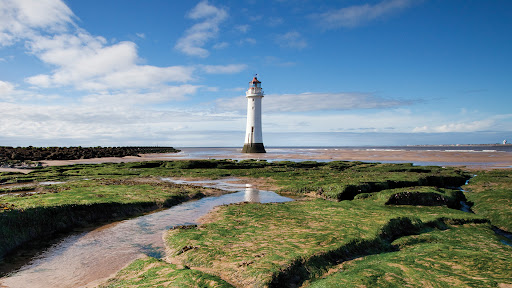
Wallasey's past isn't without intrigue. Its smuggling and piratical history is said to be rivalled only by Cornwall and Bristol, with tales centred around the River Mersey shoreline. Fort Perch Rock, a 19th-century coastal defence, fired Britain's first short of the First World War in 2924 and still stands today as one of the area's most atmospheric landmarks.
A Place to Stay, Explore and Experience
From grand Victorian mansions and medieval houses to windswept islands like Hilbre Island - once the UK's smallest inhabited island - the Wirral is full of surprises. Wallasey alone has more surviving mansions than any other Wirral town, particularly around Wellington Road and Warren Drive.
For visitors staying locally, the peninsula offers far more than beaches and views. It's a place where history lives just beneath the surface, waiting to be explored - whether through coastal walk, heritage sites, or immersive local experiences that bring the past vividly to life.
If you're planning a stay on the Wirral, Wallasey and New Brighton are more than destinations - they're stories still being told.
👉 Get in touch today to find the right accommodation for your next project.